
 EN



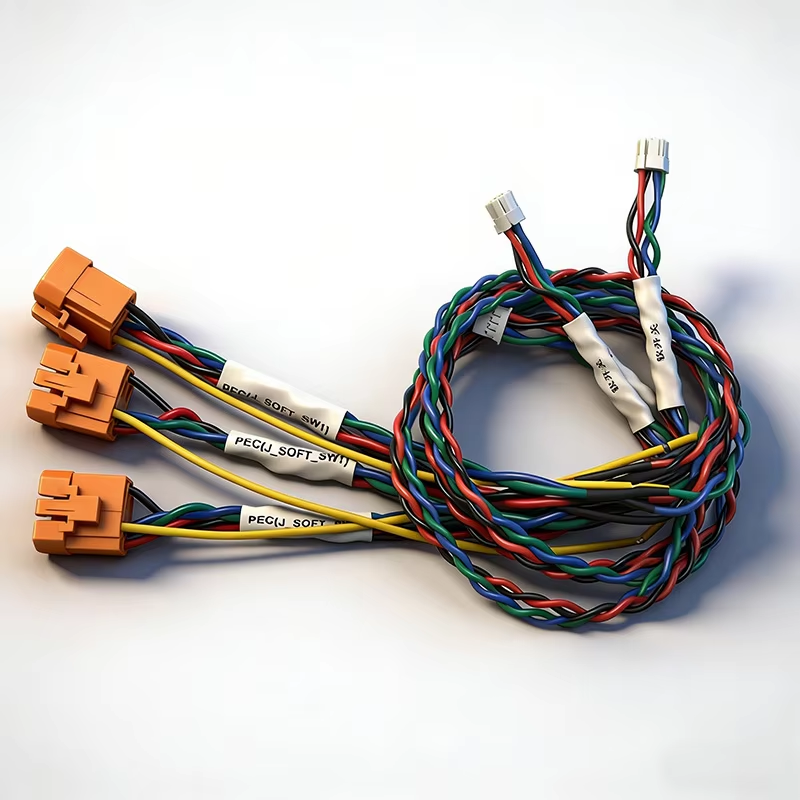
Unique Environmental Challenges for Smart Kitchen Hub Wiring
Modern smart kitchen hubs act as centralized control units that unify various intelligent modules within residential spaces, connecting sensors, control panels and embedded smart appliances into a coordinated system. Unlike regular indoor environments, kitchen spaces feature constant temperature fluctuations, continuous electromagnetic field interference and enclosed installation conditions. These unique environmental characteristics create harsh operating conditions for internal wiring structures.
Consistent on-site installation and system debugging observations confirm that standard residential wiring fails to accommodate long-term stable connection requirements for smart kitchen infrastructure. Generic wires are only engineered for basic power conduction, with no targeted structural or material optimization to resist temperature changes and electromagnetic interference. A well-built smart home wiring harness addresses these structural limitations, delivering stable connection conditions that adapt to the complex environmental attributes of smart kitchen layouts.
Specialized Material Standards for Smart Home Wiring Harness
Material composition defines the core adaptability of wiring structures in smart residential environments. A standard smart home wiring harness undertakes dual transmission functions, carrying both low-voltage control signals and steady operating power for intelligent devices. This dual-functional working mode demands higher material performance compared with single-purpose building wires.
Reliable smart home wiring harness adopts high-purity conductive cores to maintain stable signal transmission during long-term multi-module linkage. External insulation layers utilize high-temperature and ageing-resistant polymer materials, maintaining stable physical properties amid repeated temperature shifts. Key signal sections integrate professional shielding structures to isolate electromagnetic interference from surrounding kitchen appliances. Standardized material configurations ensure every smart home wiring harness maintains consistent electrical stability in complex residential environments.
Authoritative Assembly Standards for Stable Signal Connectivity
Standardized assembly workmanship serves as the core foundation for uniform wiring performance across batch installations. The globally recognized IPC-WHMA-A-620 standard establishes unified assembly specifications for consumer-grade wiring assemblies, acting as the universal guideline for global smart home wiring deployment. Irregular manual processing and non-standard crimping work often lead to unstable signal transmission and inconsistent module connection states.
Formal assembly protocols require uniform crimping tension, complete conductor fitting and intact insulation protection for every connection point of a smart home wiring harness. All branch positions undergo standardized bundling and fixed processing to prevent structural displacement caused by subtle environmental vibration and thermal deformation. Adhering to international assembly norms effectively stabilizes the overall connection structure, supporting continuous and reliable signal interaction for smart kitchen hub systems.
Scientific Layout Principles for Compact Kitchen Installation
Smart kitchen hub devices are mostly installed in enclosed cabinet spaces and concealed wall-mounted positions, leaving limited room for wiring arrangement and structural heat dissipation. Improper layout design will cause long-term harness extrusion, over-bending and accumulated heat, gradually damaging insulation structures and affecting overall connection stability.
Reasonable spatial layout is an essential part of professional smart home wiring harness deployment. Standard construction practices reserve standardized bending radii to avoid damage to internal conductors and insulating layers. Signal-focused wiring sections of the smart home wiring harness maintain effective isolation from high-power circuit lines to reduce electromagnetic crosstalk. Unified sorting and fixed installation methods prevent structural deformation in confined spaces, sustaining long-term structural integrity of the whole wiring system.
Full-Cycle Verification and Standardized Traceability System
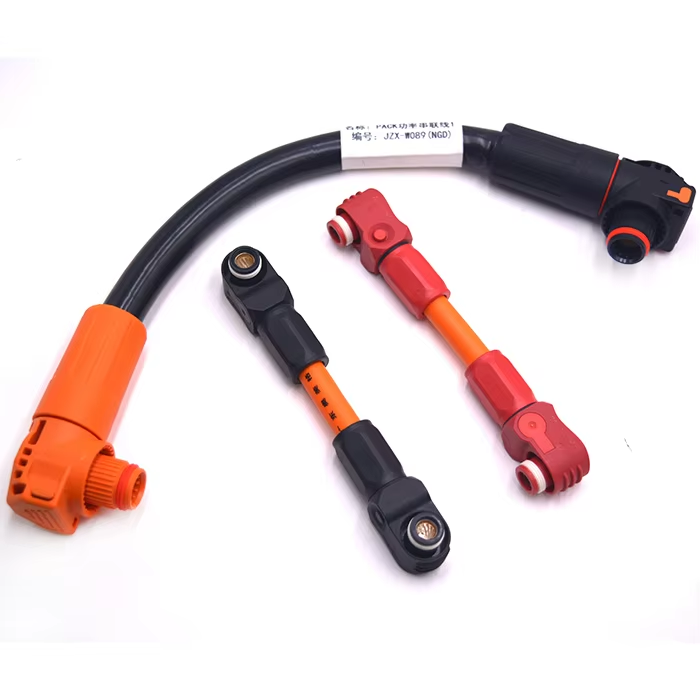
Complete quality verification and technical traceability mechanisms are essential to maintain reliable operation of smart residential wiring systems. Every finished smart home wiring harness undergoes strict continuity testing, insulation resistance detection and visual structural inspection before delivery, eliminating potential structural and material defects.
Each batch of smart home wiring harness is equipped with standardized labeling and complete technical file records, realizing full-process traceability of material parameters and assembly specifications. Systematic data recording provides accurate technical references for subsequent equipment maintenance and system adjustment. Transparent and standardized quality control mechanisms ensure stable and consistent performance of deployed wiring structures throughout long-term service cycles.
Professional Manufacturing System for Stable Harness Supply
Consistent quality output of compliant smart home wiring harness relies on standardized manufacturing workflows and rigorous global quality management systems. High-quality wiring assemblies for smart residential scenarios require precise material screening, standardized assembly procedures and multi-stage structural verification to meet universal environmental adaptability requirements.
Nangudi Electronics operates a standardized 12,000-square-meter production plant and professional quality inspection team, holding authoritative certifications including IATF 16949, ISO 13485 and RoHS. With nearly 20 years of standardized wiring manufacturing experience and a complete global supply chain system, the brand implements full-process quality supervision from raw material inspection to finished product delivery. Mature manufacturing capabilities and strict process control allow Nangudi Electronics to deliver specification-compliant, highly stable smart home wiring harness for global smart residential construction and renovation projects.
Table of Contents
- Unique Environmental Challenges for Smart Kitchen Hub Wiring
- Specialized Material Standards for Smart Home Wiring Harness
- Authoritative Assembly Standards for Stable Signal Connectivity
- Scientific Layout Principles for Compact Kitchen Installation
- Full-Cycle Verification and Standardized Traceability System
- Professional Manufacturing System for Stable Harness Supply