
 EN
EN



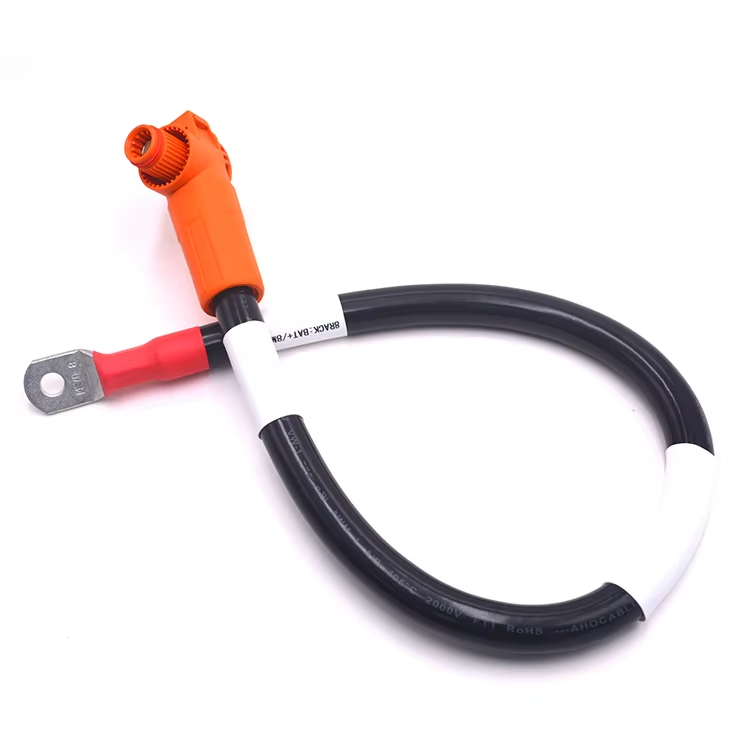
Fire represents one of the most severe threats to the integrity of electrical systems in industrial, automotive, and consumer applications. Within these complex environments, an electrical harness functions as the vital pathway for energy and data. However, if not properly protected, these assemblies can quickly become fuel sources for combustion, leading to catastrophic equipment failure and significant safety hazards. Implementing flame retardant materials into an electrical harness design is not just a compliance checkbox; it is a critical safety strategy that saves lives and preserves capital investment. By prioritizing fire resistance from the early stages of design, engineers and manufacturers can effectively prevent small electrical faults from escalating into life-threatening emergencies. The industry is moving toward higher standards of safety, making flame retardancy a cornerstone of modern electrical harness engineering.
Advanced Material Science and Flame Retardancy
The secret to a superior electrical harness lies in the molecular makeup of its protective components. Standard wire jackets and insulation are often flammable under intense heat, but specialized engineering utilizes materials that actively inhibit fire propagation. Flame retardant additives, such as halogen-free compounds and intumescent coatings, work by either cooling the burning material or forming a protective char layer that prevents oxygen from fueling the flame. When designing an electrical harness, the selection of materials—from the primary insulation to the outer protective sleeving—must be carefully evaluated against thermal stress tests. NANGUDI leverages this technical expertise to select high-performance polymers that maintain electrical properties under extreme conditions. This deep understanding of material behavior allows for the creation of an electrical harness that remains stable even when subjected to high-temperature spikes, significantly reducing the risk of fire spread.
Navigating Global Standards and Compliance
Adhering to international safety standards is essential for any electrical harness destined for global markets. Regulations such as UL 94, IEC 60332, and various automotive safety standards like FMVSS 302 provide the benchmarks for what constitutes a fire-resistant product. These standards measure factors such as ignition resistance, flame spread distance, and smoke toxicity. A compliant electrical harness ensures that manufacturers can export products to highly regulated regions without facing legal or technical hurdles. Furthermore, expert design teams must navigate these complex standards to ensure that performance is not sacrificed for safety. NANGUDI keeps pace with these evolving requirements, providing testing and documentation that demonstrate full compliance with international safety benchmarks. This level of transparency in the manufacturing process builds trust with end-users and demonstrates a firm commitment to global best practices in safety.
The Business Case for Proactive Fire Safety
Beyond the obvious humanitarian benefits of preventing fires, there is a strong business case for investing in flame retardant designs. Product liability and insurance premiums are directly tied to the safety profile of the equipment. A single failure resulting in a fire can result in massive recalls, costly litigation, and irreparable damage to a brand's reputation. By deploying an electrical harness built with fire-retardant materials, companies effectively de-risk their supply chains and demonstrate superior craftsmanship. This proactive approach serves as a competitive advantage in industries where safety is non-negotiable, such as medical device manufacturing or high-performance electric vehicles. NANGUDI focuses on delivering high-reliability solutions that lower the total cost of ownership for clients by preventing failure-induced downtime and potential hazard costs, reinforcing the value of the electrical harness as a long-term asset.
Real-World Applications and Engineering Excellence
Every environment demands specific safety profiles, and a well-engineered electrical harness is adaptable to these needs. In high-density industrial control panels, where wires are tightly packed, fire propagation can be almost instantaneous. Similarly, in an automotive engine bay, the combination of combustible fluids and high electrical activity demands an electrical harness that serves as a fire barrier. Successful designs incorporate features like thermal-resistant conduits and fire-rated connector housings that prevent the harness from being the catalyst for a fire. Drawing on extensive experience across these diverse sectors, NANGUDI applies precision engineering to ensure that each assembly meets the specific safety demands of its intended application. Whether it is a small wire cluster or a massive industrial interconnect, the attention to detail remains consistent, ensuring that every electrical harness performs flawlessly when under pressure.
The evolution of electric vehicles (EVs) has further accelerated the demand for high-grade safety in cable assemblies. With high-voltage battery packs becoming the standard, an electrical harness must now handle not only mechanical stress but also the potential for thermal runaway. Standard materials are no longer sufficient; the industry now demands advanced solutions that can withstand temperatures well beyond the threshold of ordinary plastic. This shift emphasizes that the design of an electrical harness is an ongoing pursuit of engineering innovation. NANGUDI stays at the forefront of this evolution, continuously researching and implementing the latest flame-retardant technologies to support the next generation of safe and reliable equipment. By prioritizing safety and performance in every phase of the assembly process, NANGUDI ensures that its clients remain at the cutting edge of their respective industries.
Manufacturing Precision as a Safety Guarantee
Reliability is built into the process. The manufacturing environment itself must uphold the integrity of the materials, ensuring that no cross-contamination or improper processing compromises the flame-retardant properties of the components. Precision crimping, proper heat-shrink application, and careful routing are all part of the formula for a safe electrical harness. NANGUDI acts as a comprehensive manufacturing partner that treats safety as a primary design parameter. By maintaining state-of-the-art production facilities, the company ensures that every wire is processed with maximum precision, preventing the potential points of electrical resistance that lead to overheating. For businesses seeking a reliable partner for their electrical harness needs, NANGUDI offers a seamless blend of material expertise, engineering capability, and rigorous testing. This holistic approach ensures that every electrical harness is not just functional, but fundamentally designed to withstand the harsh realities of its environment, protecting both the machine and the operator.